Archives
- 2026-07
- 2026-06
- 2026-05
- 2026-04
- 2026-03
- 2026-02
- 2026-01
- 2025-12
- 2025-11
- 2025-10
- 2025-09
- 2025-03
- 2025-02
- 2025-01
- 2024-12
- 2024-11
- 2024-10
- 2024-09
- 2024-08
- 2024-07
- 2024-06
- 2024-05
- 2024-04
- 2024-03
- 2024-02
- 2024-01
- 2023-12
- 2023-11
- 2023-10
- 2023-09
- 2023-08
- 2023-07
- 2023-06
- 2023-05
- 2023-04
- 2023-03
- 2023-02
- 2023-01
- 2022-12
- 2022-11
- 2022-10
- 2022-09
- 2022-08
- 2022-07
- 2022-06
- 2022-05
- 2022-04
- 2022-03
- 2022-02
- 2022-01
- 2021-12
- 2021-11
- 2021-10
- 2021-09
- 2021-08
- 2021-07
- 2021-06
- 2021-05
- 2021-04
- 2021-03
- 2021-02
- 2021-01
- 2020-12
- 2020-11
- 2020-10
- 2020-09
- 2020-08
- 2020-07
- 2020-06
- 2020-05
- 2020-04
- 2020-03
- 2020-02
- 2020-01
- 2019-12
- 2019-11
- 2019-10
- 2019-09
- 2019-08
- 2019-07
- 2019-06
- 2019-05
- 2019-04
- 2018-07
-
Our co IP data show
2024-12-30
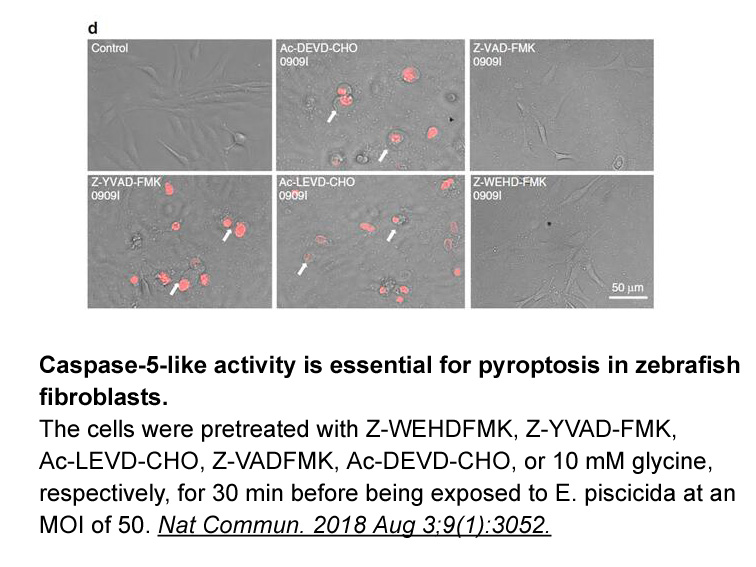
Our co-IP data show that 5HT1A or 5HT2A receptors do not heterodimerize with mGluR1α receptors. Given that both 5-HT and mGlu receptors are GPCRs and produce anxiolytic effects, a degree of cooperativity via a functional cross-talk may still exist between these receptors [11]. In addition to the fun
-
br Results br Discussion Utilizing a proteomic approach we i
2024-12-30
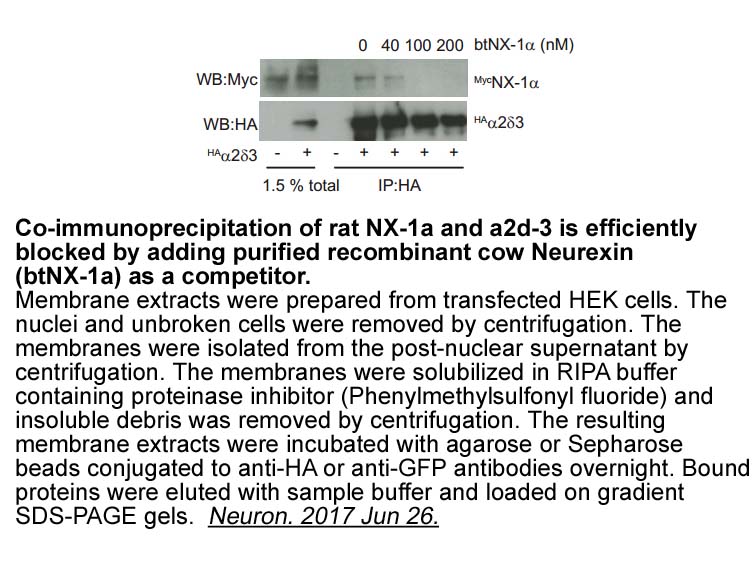
Results Discussion Utilizing a proteomic approach, we identified HSP90β as a protein that becomes associated with surface AChR in agrin-stimulated muscle cells. We demonstrate that HSP90β does not interact with the AChR directly; instead, via direct interaction with rapsyn, HSP90β becomes asso
-
It is well known that the thymus plays an important
2024-12-30
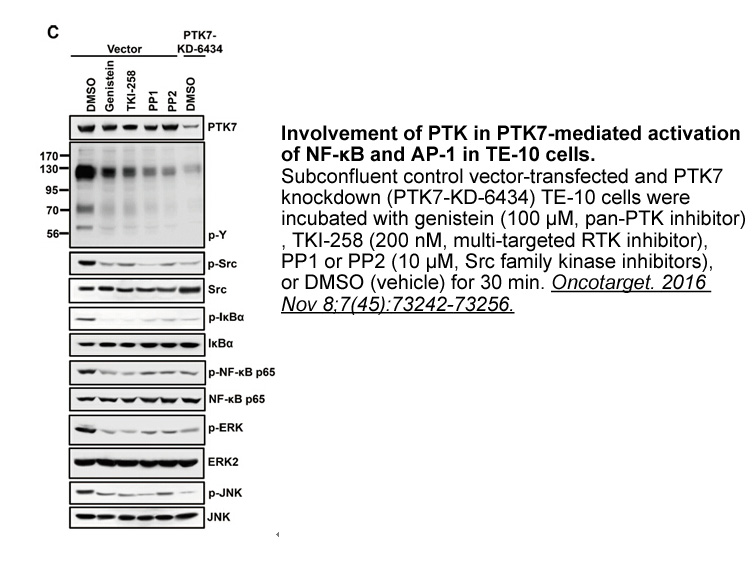
It is well known that the thymus plays an important function in the complex pathogenesis and perpetuation of MG. We compared resistin levels between patients with MG with or without thymoma and found that those with thymoma had higher levels than those without thymoma. It has been previously recogni
-
ABC super family proteins are found
2024-12-27
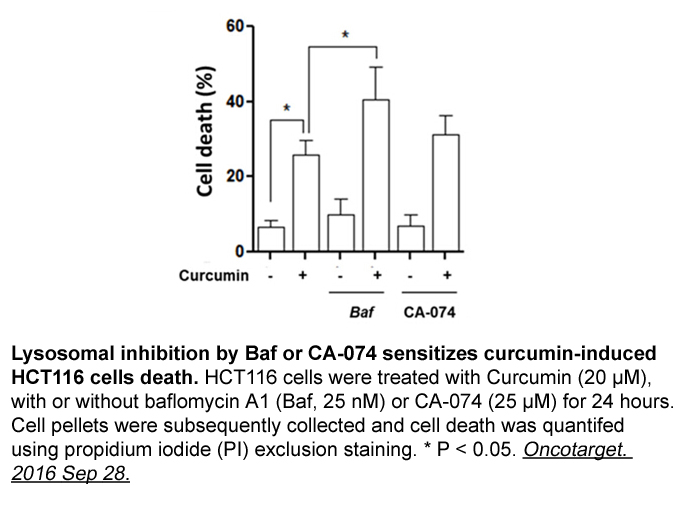
ABC super family proteins are found in all forms of life and ABC-F subfamily of proteins are involved in cellular processes such as translational control and antibiotic resistance by ribosomal protection [3], [5]. The Mtb ABC proteins that do not contain transmembrane domains have not been studied [
-
AP activation is known to upregulate downstream target genes
2024-12-27
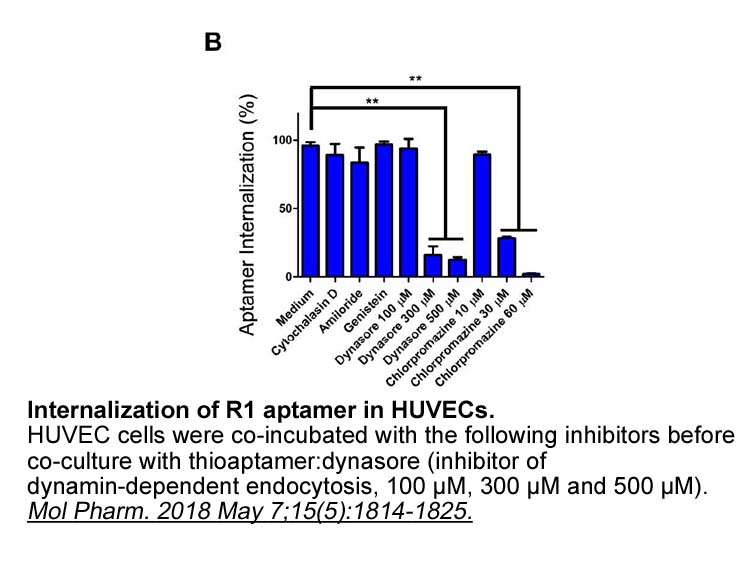
AP-1 activation is known to upregulate downstream target genes including Cariprazine D1, c-myc, Bcl-xl, MMP-9, EGFR, and specific miRNAs that are involved in progression and metastasis of tumors. Moreover, matrix metalloproteinase-2 has been shown as a downstream gene of AP-1, triggered by 15-HETE
-
Here we investigate the ATM to ATR
2024-12-27
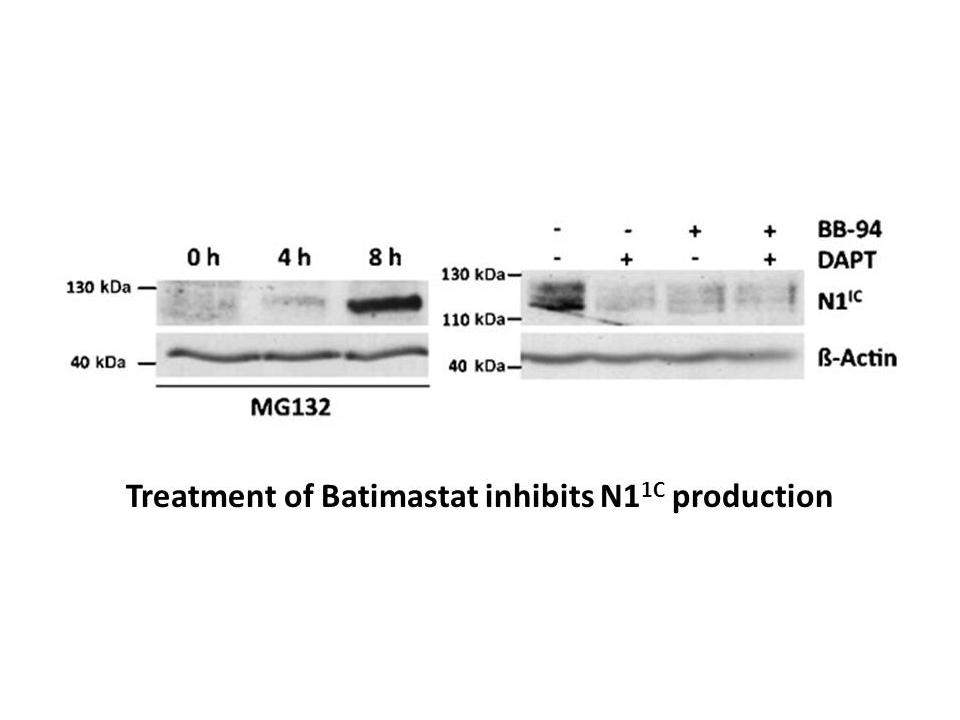
Here, we investigate the ATM to ATR switch in normal human fibroblasts (82-6 cells) after irradiation with γ-rays, or high LET 56Fe and 28Si and moderate LET 16O particles. Our data provide important evidence of LET dependence on the transition of ATM to ATR as well as end resection at the sites of
-
galectin knockdown trastuzumab Telomerase action at the telo
2024-12-27

Telomerase action at the telomere is highly regulated; it preferentially elongates the shortest telomeres, and recruitment of the enzyme complex to the telomere occurs in mid-S phase of the cell cycle (Bianchi and Shore, 2007, Britt-Compton et al., 2009, Teixeira et al., 2004, Hemann et al., 2001, T
-
Several studies have demonstrated that depletion of function
2024-12-27
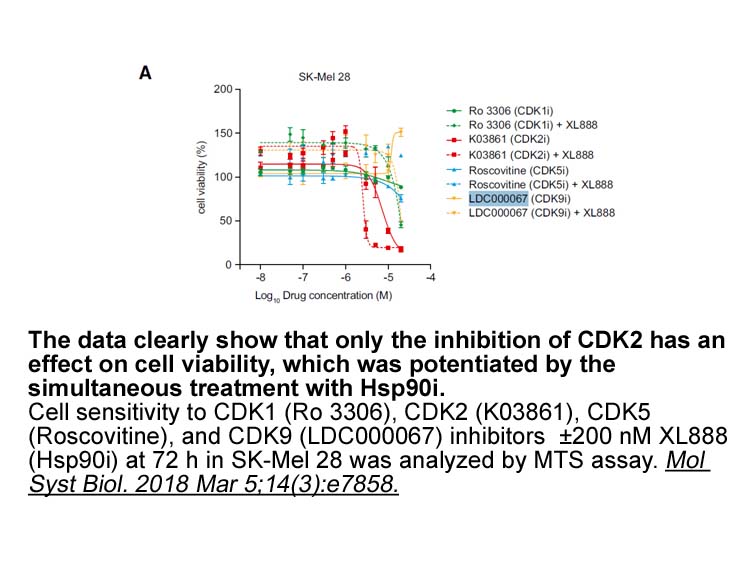
Several studies have demonstrated that depletion of functional ATR increases the sensitivity of cancer cells to oncogene-induced replication stress thereby hindering tumour growth and inducing extensive cell death (Gilad et al., 2010, Murga et al., 2011, Schoppy et al., 2012). Importantly, Schoppy e
-
The apoptosis promoting Bcl family includes
2024-12-27
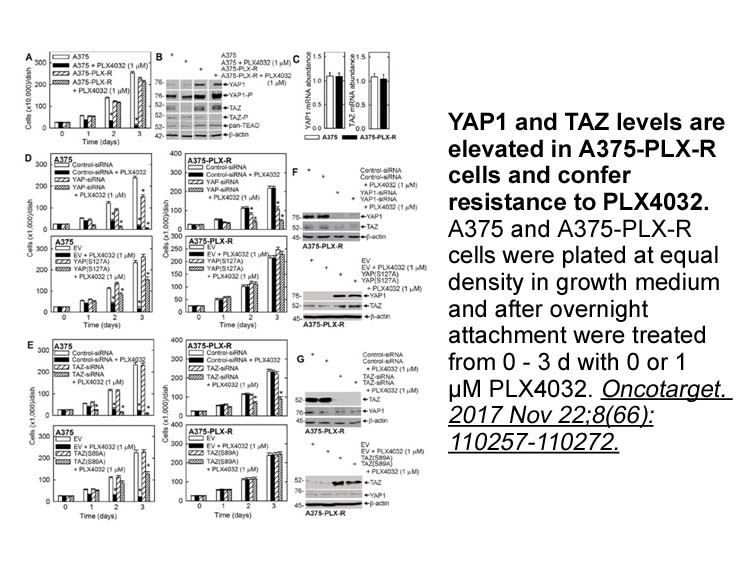
The apoptosis-promoting Bcl-2 family includes BH3-only proteins (e.g., Bim, Bid and Bad) and multiple-domain proteins (e.g., Bax and Bak). At the time of apoptosis stimulation (e.g., DNA damage), only the BH3-only protein is activated, directly or indirectly promoting Bax/Bak oligomerization, chang
-
TUNEL assay Apoptotic DNA fragmentation in
2024-12-27
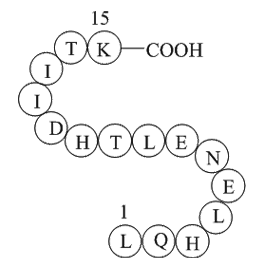
TUNEL assay. Apoptotic DNA fragmentation in akt pathway was measured using a commercially available TUNEL assay kit (Thermo Fisher). Frozen cells were fixed with 10% paraformaldehyde/PBS. Apoptosis was determined by staining the 3′-OH ends of fragmented DNA with biotin-dNTP using DNA I klenow fragm
-
However one should keep in mind
2024-12-27

However, one should keep in mind that these results may not reflect exactly in vivo antioxidant activity. Many other issues such as absorption, metabolism and physicochemical properties of different antioxidants must also be considered (Prior et al., 2007, Wu et al., 2004). Some research groups are
-
To the best of our knowledge only cases
2024-12-27

To the best of our knowledge, only 3 cases of an E196K mutation have been described since it was first identified in 2000 [15], [16], [17], although 5 cases, accounting for 1.1% of all genetic TSE cases, were reported with no precise data on the clinical phenotypes in the EUROCJD collaborative surve
-
Thiazole heterocycles constitute an interesting class of
2024-12-27
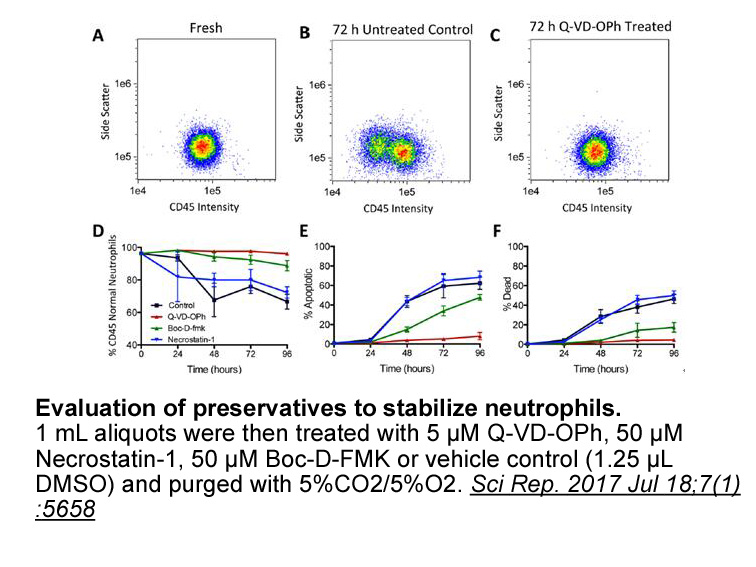
Thiazole heterocycles constitute an interesting class of molecules, which exhibit a broad spectrum of biological activity, including antifungal properties [[16], [17], [18], [19]]. Encouraged by our previous study that describes the activity of hydrazine-thiazole derivatives against C. gattii and C.
-
Interestingly we noticed that LPS exposure was associated
2024-12-27
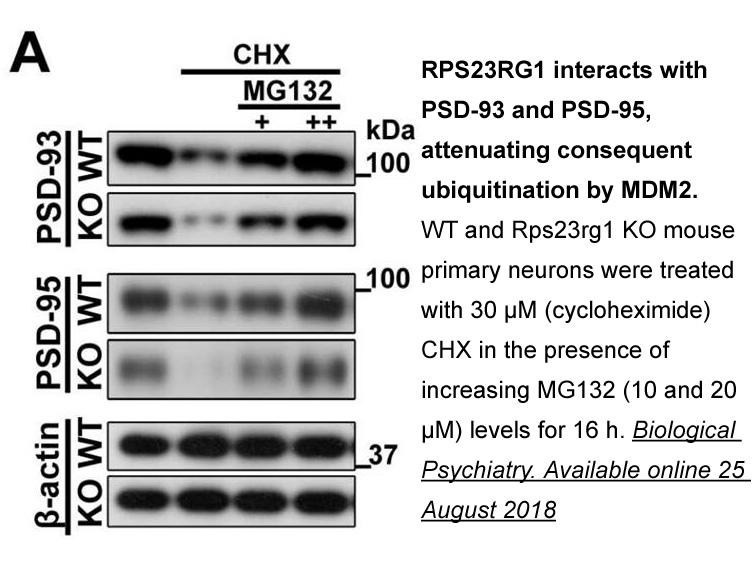
Interestingly, we noticed that LPS exposure was associated with decreased phosphorylation of AMPK and increased phosphorylation of p70S6K1, suggesting that AMPK inactivation and the subsequent mTOR activation might be involved in the development of LPS-induced inflammation. On the other side, treatm
-
br Possible complementarity of trimming
2024-12-27
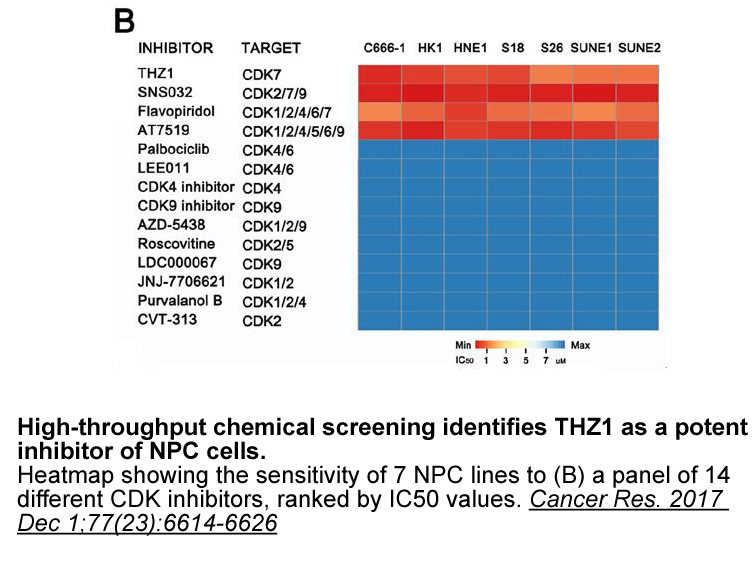
Possible complementarity of trimming pathways Determining the exact pathway for the generation or destruction of MHCI peptide ligands by ERAP1 is important for our understanding of the shaping of the immunopeptidome and for designing inhibitors that can manipulate it. It is also possible however
16483 records 58/1099 page Previous Next First page 上5页 5657585960 下5页 Last page