Archives
- 2026-04
- 2026-03
- 2026-02
- 2026-01
- 2025-12
- 2025-11
- 2025-10
- 2025-09
- 2025-03
- 2025-02
- 2025-01
- 2024-12
- 2024-11
- 2024-10
- 2024-09
- 2024-08
- 2024-07
- 2024-06
- 2024-05
- 2024-04
- 2024-03
- 2024-02
- 2024-01
- 2023-12
- 2023-11
- 2023-10
- 2023-09
- 2023-08
- 2023-07
- 2023-06
- 2023-05
- 2023-04
- 2023-03
- 2023-02
- 2023-01
- 2022-12
- 2022-11
- 2022-10
- 2022-09
- 2022-08
- 2022-07
- 2022-06
- 2022-05
- 2022-04
- 2022-03
- 2022-02
- 2022-01
- 2021-12
- 2021-11
- 2021-10
- 2021-09
- 2021-08
- 2021-07
- 2021-06
- 2021-05
- 2021-04
- 2021-03
- 2021-02
- 2021-01
- 2020-12
- 2020-11
- 2020-10
- 2020-09
- 2020-08
- 2020-07
- 2020-06
- 2020-05
- 2020-04
- 2020-03
- 2020-02
- 2020-01
- 2019-12
- 2019-11
- 2019-10
- 2019-09
- 2019-08
- 2019-07
- 2019-06
- 2019-05
- 2019-04
- 2018-07
-
TgTCEA from petals TgTCEA and TgTCEB from
2019-08-13
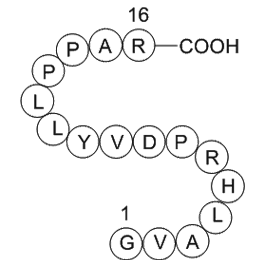
TgTCEA from petals (TgTCEA1) and TgTCEB from pollen grains (TgTCEB1) were used throughout the study. The recombinant enzymes were expressed in , and purified as the His-tag-free forms as described previously., Enzyme reactions were performed at 4 mM substrates under the same conditions as described
-
Considering the divergence of multiple DGAT isoforms we exam
2019-08-13
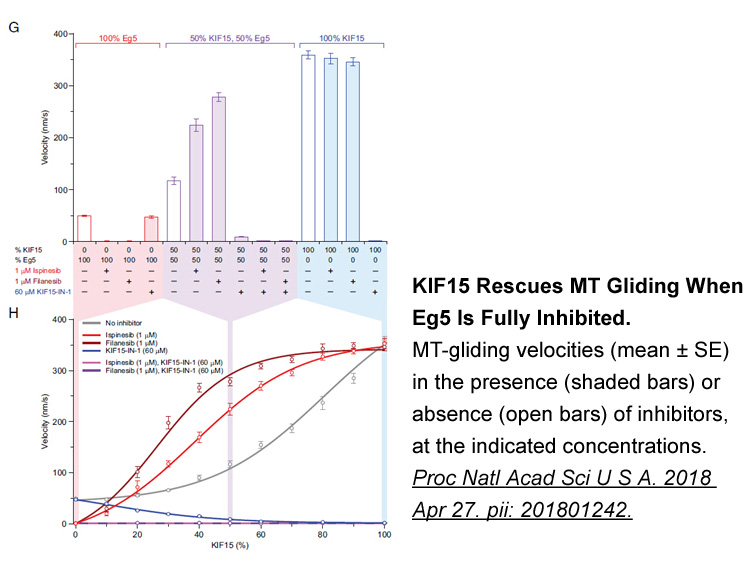
Considering the divergence of multiple DGAT isoforms, we examined whether MiDGAT1 and MiDGAT2s utilized different fatty acids as the substrate to synthesize TAGs. GC-MS analysis indicated that C16:0 and C18:0 were the major components of TAGs in yeast cells, and all three MiDGATs displayed the same
-
There exists a glucose residue
2019-08-13
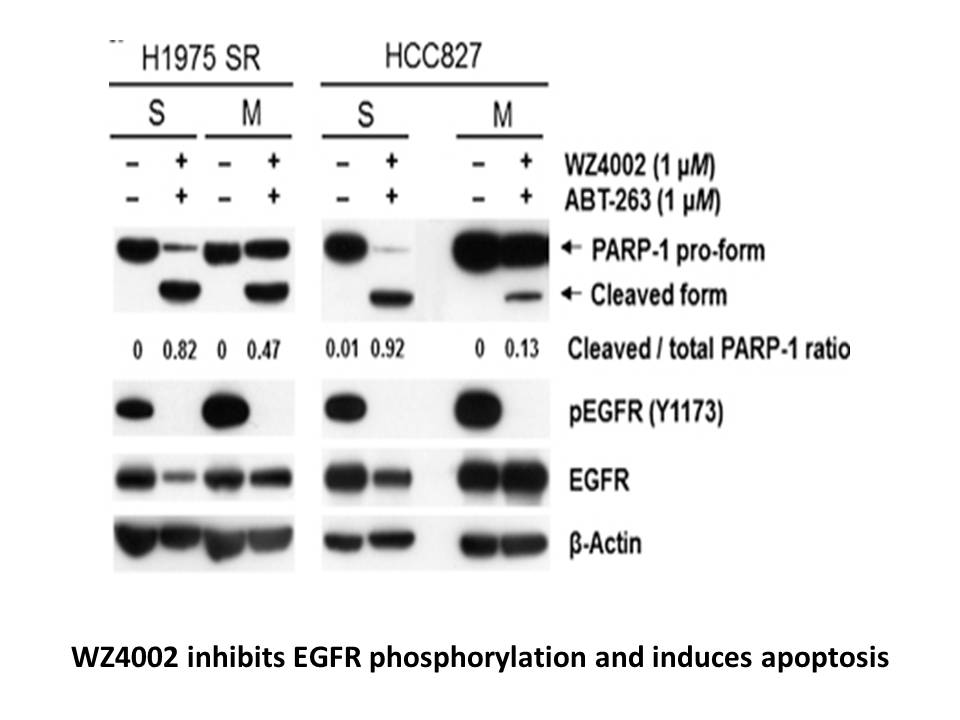
There exists a glucose residue in the structure of 5. Acid hydrolysis (Supplementary data) followed by TLC comparison with the reference compound as well as GC–MS analysis (l-cysteine methyl ester hydrochloride derivative: tR=22.22min for glucose residue of 5 and 22.46min for the reference compound)
-
CPTH2 hydrochloride reviews Our results in the present study
2019-08-13
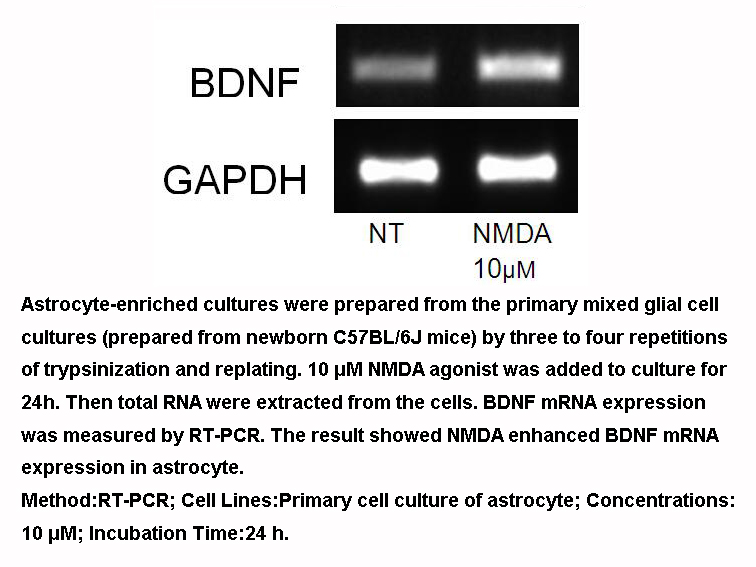
Our results in the present study demonstrate that CysLT1 mediates leukotriene-induced contraction in the fundus and suggest that both CysLT1 and CysLT2 mediate leukotriene-induced contraction in the antrum in vitro. Further studies on the effects of leukotrienes in vivo are required to elucidate the
-
In recent years the use of liquid chromatography tandem
2019-08-13
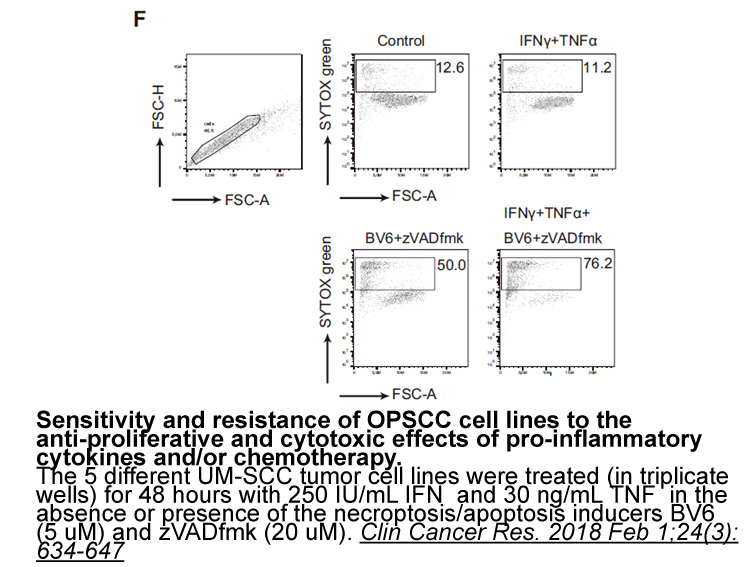
In recent years, the use of liquid chromatography/tandem mass spectrometry (LC–MS/MS) has become a preferred approach to measure drugs and metabolites in biological fluids due to its very high selectivity and sensitivity [17], [18], [19], [20], [21], [22], [23], [25], [30]. The great sensitivity of
-
The notion that a small subset of
2019-08-13
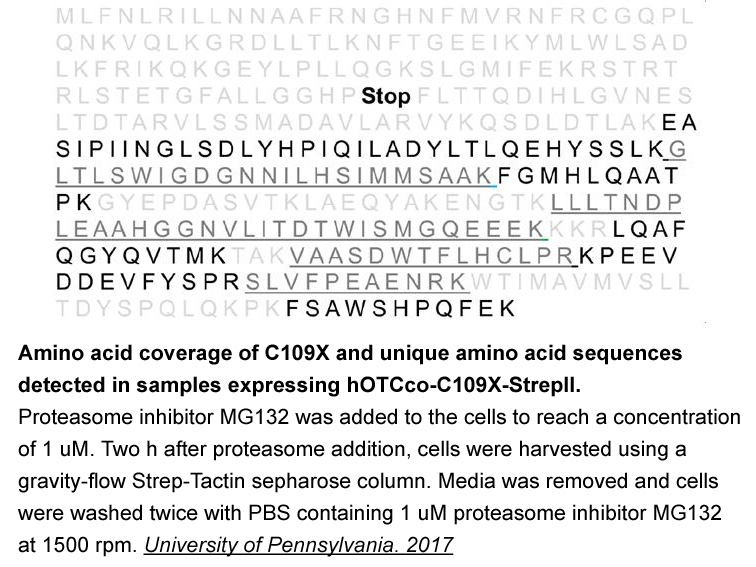
The notion that a small subset of inducible cellular transcripts, encoding immunological important factors, is translocated across the nuclear envelope by the karyopherin CRM1 is gaining support from various recent studies. For example, experimental evidence has been provided demonstrating that the
-
Preparation of the pyridyl ether analogs
2019-08-13
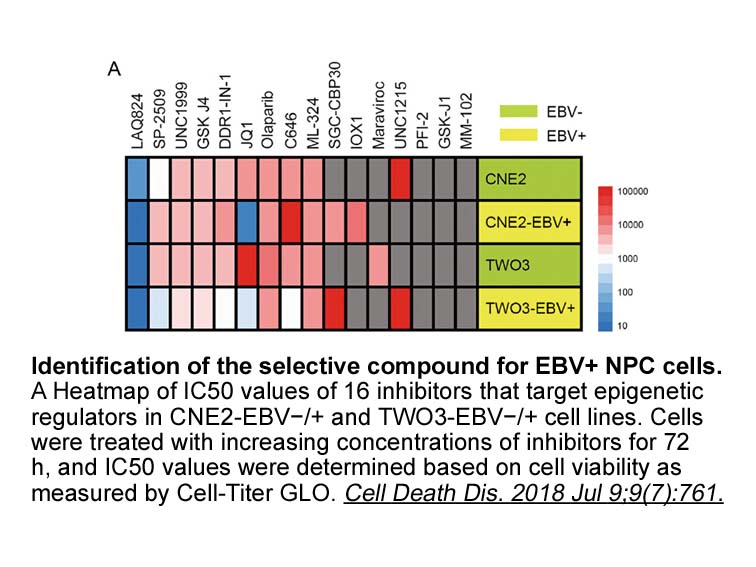
Preparation of the 2-pyridyl ether analogs (–) was accomplished by alkylation of alcohol with 2-bromopyridines in the presence of NaH to afford the desired pyridyl ether analogs in low to moderate yield. Preparation of the 3-pyridyl analog was carried out by conversion of alcohol to the tosylate,
-
Hepatic steatosis is strongly associated with insulin resist
2019-08-12
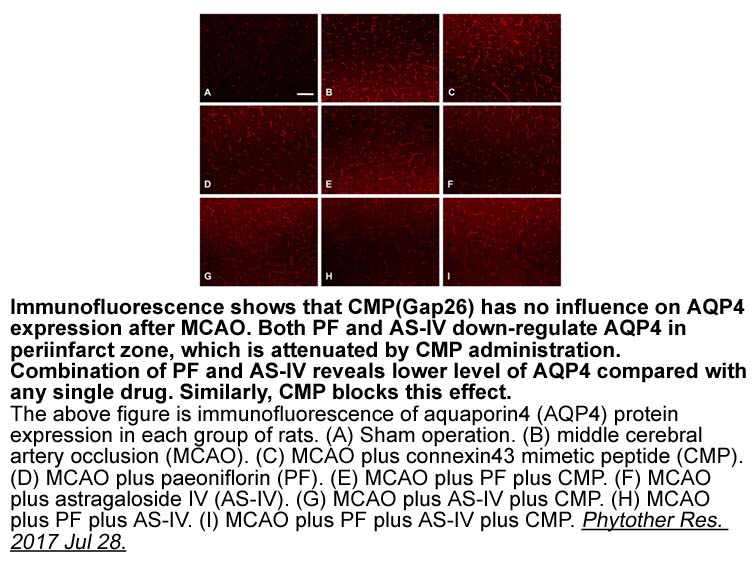
Hepatic steatosis is strongly associated with insulin resistance. Numerous studies in humans and animals have shown that insulin-resistant states are often accompanied by hepatic steatosis (Angulo and Lindor, 2001, Marchesini et al., 1999, Marchesini et al., 2005, Petersen and Shulman, 2006, Seppala
-
Inflammation is critical in the pathobiology of
2019-08-12
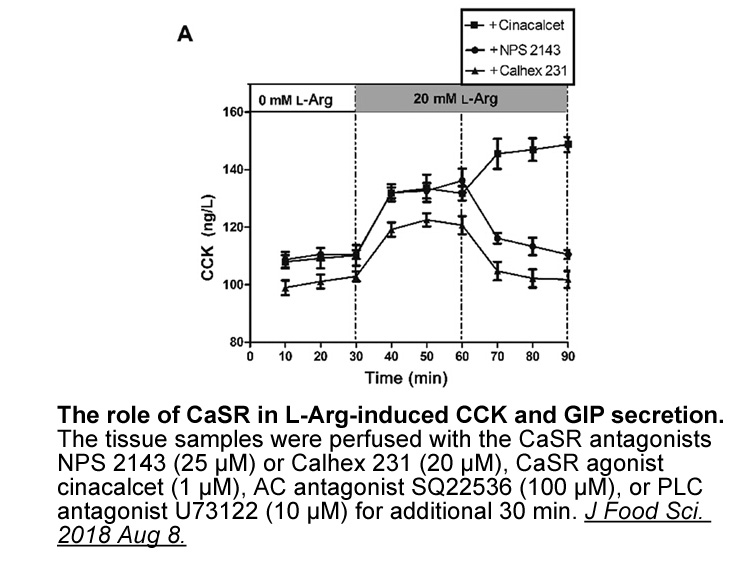
Inflammation is critical in the pathobiology of atherosclerosis. The inflammatory mediators impacted by FBXO3 described herein i.e. NF-κB, IL-1β, and TNF-α, and IL-8 have purported causal roles in atherosclerosis. For example, NF-κB activation is increased in mononuclear cells in human plaques [29]
-
The component E of PDHc PDHc E catalyzes
2019-08-12
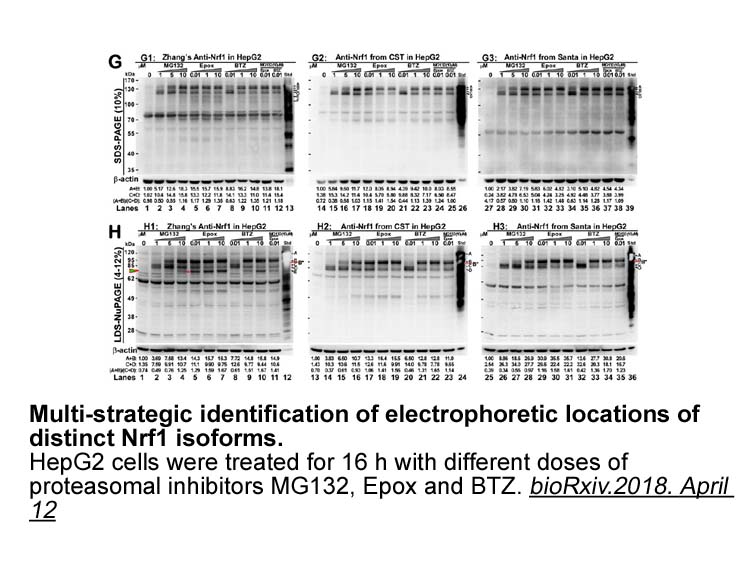
The component E1 of PDHc (PDHc-E1) catalyzes the first step of multistep processes, using thiamine diphosphate (ThDP) and Mg2+ as cofactors.15, 16 Especially, this PDHc-E1 catalyzed process is a rate limiting step among multistep processes. Accordingly, the PDHc should be inactive by inhibiting the
-
On the basis of the
2019-08-12
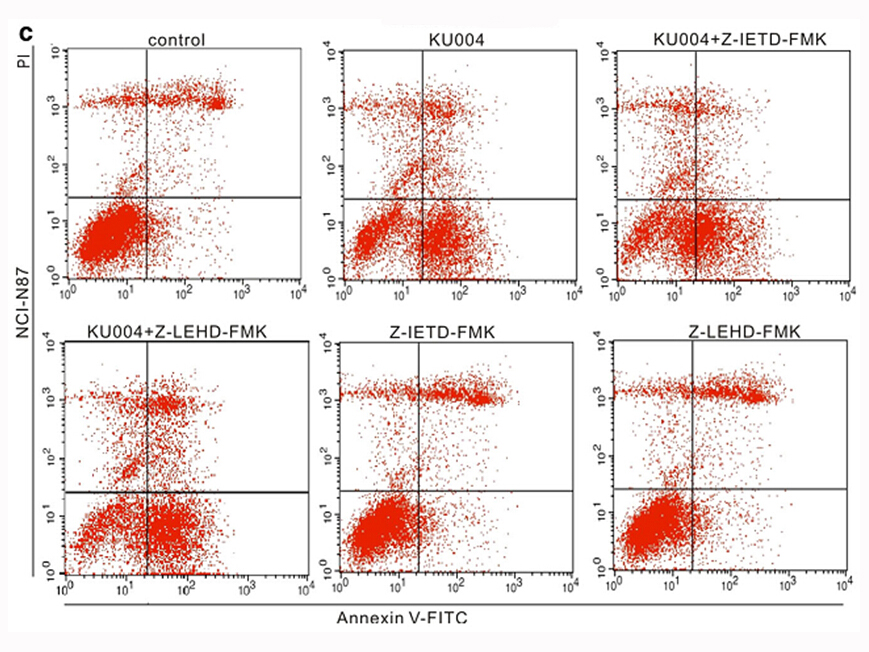
On the basis of the published articles, it is known that chemokines are produced by leukocytes and tissue cells, constitutively or after induction. Chemokines are responsible for the recruitment of leukocytes to maintain proper functioning of the immune system [14]. They exist in the central nervous
-
NSC 74859 msds Physiological changes induced by CRF are medi
2019-08-12
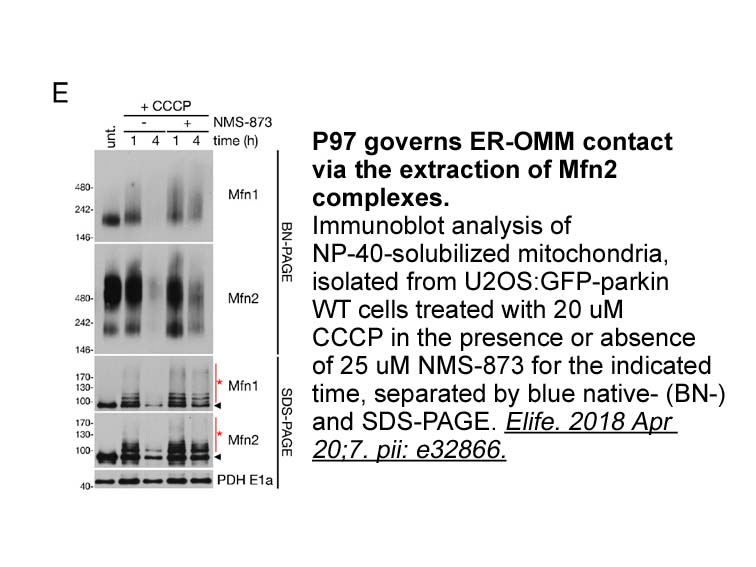
Physiological changes induced by CRF are mediated through CRF1 and CRF2 receptors (Chang et al., 1993, Lovenberg et al., 1995). Previous findings with CRF1 receptor antagonists showed that activation of CRF1 receptor is involved in maternal separation-induced ultrasonic vocalizations (Kehne et al.,
-
The objective of the present study
2019-08-12
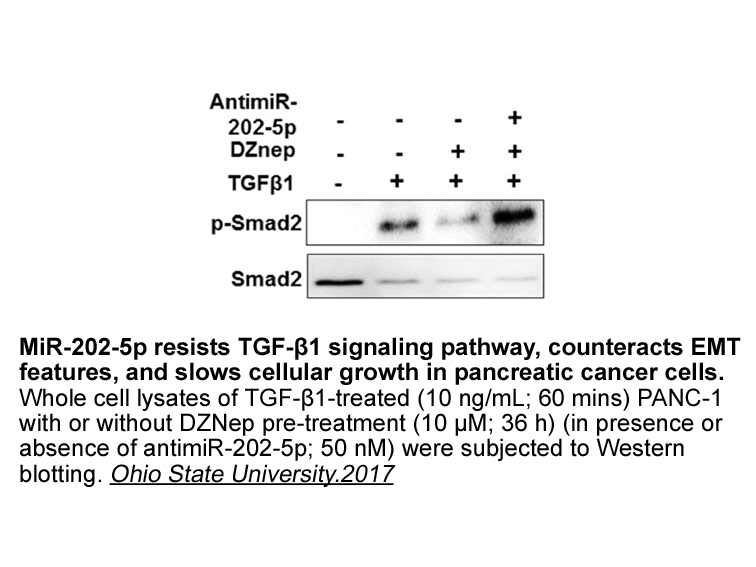
The objective of the present study was to investigate the role of the CRF system in the neuroadaptations associated with nicotine dependence. To this aim, the regulation of the gene expression of CRF and its receptors was assessed in Deoxycholic acid regions belonging to the reward pathway using a
-
br Results br Discussion Drug resistance poses the
2019-08-12
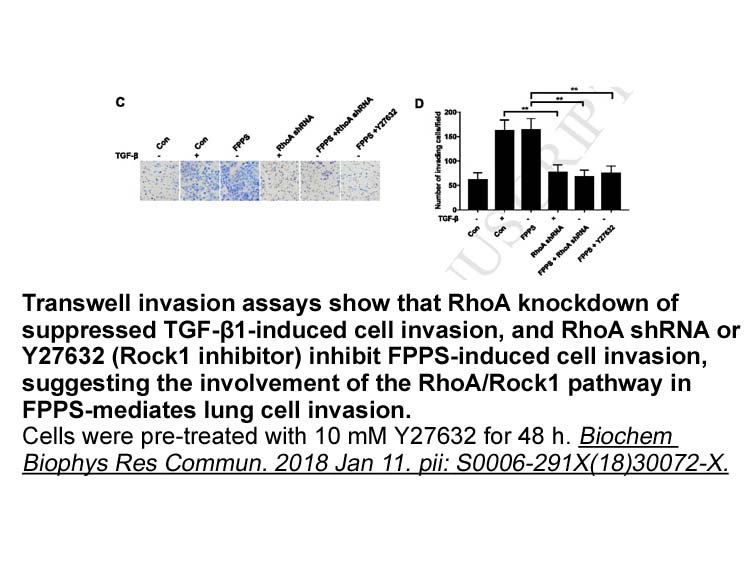
Results Discussion Drug resistance poses the greatest hurdle of achieving high efficacy with AADs in cancer patients. AAD-treated cancer patients often encounter intrinsic and evasive drug resistance that diminishes the therapeutic efficacy to only minor survival benefits in most cancer types.
-
br Introduction Myotonic dystrophy dystrophia myotonica DM
2019-08-12
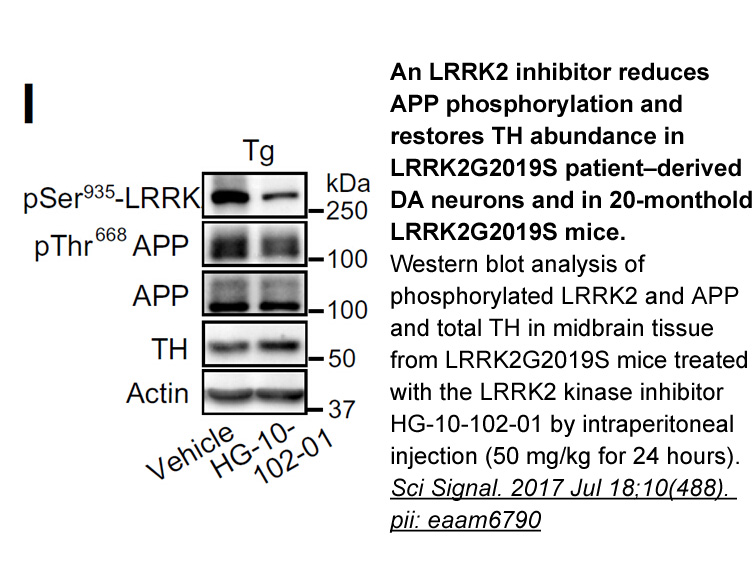
Introduction Myotonic dystrophy (dystrophia myotonica, DM) is an autosomal dominant disorder and the most common form of inherited muscular dystrophy in adults [1]. DM is characterised by a wide range of symptoms, including myotonia, progressive muscle loss, cataracts, cardiac conduction defects,
16335 records 1029/1089 page Previous Next First page 上5页 10261027102810291030 下5页 Last page